Council of Elders
A proposed Council of Elders would provide wisdom, ethical guidance, and long-term continuity as the institution matures.
Why IHA exists
But the systems meant to help them still respond one issue at a time.

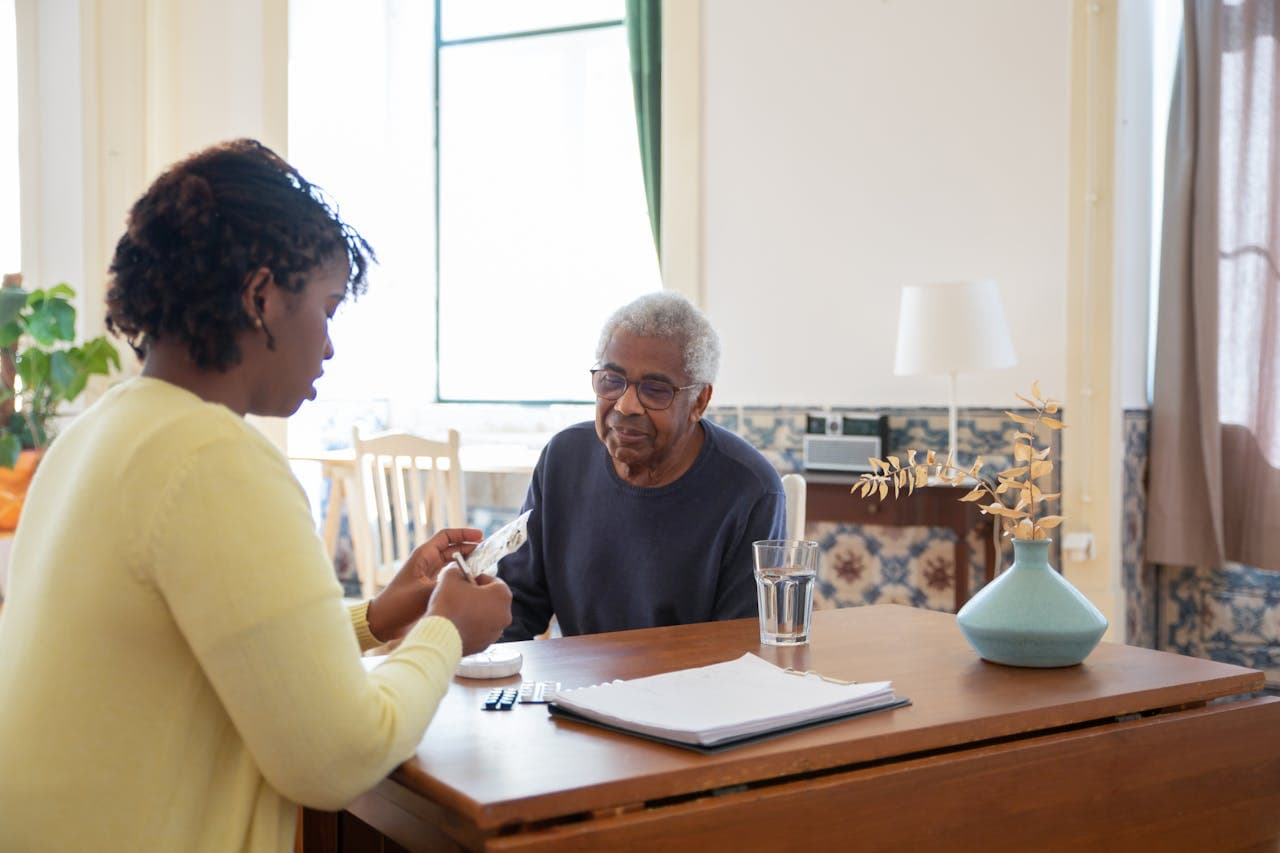
One life. Many connected forces. One institution designed to see the whole.
The problem is the gap between systems
Work shapes wealth. Technology touches them all. Community determines whether any intervention is trusted enough to matter. Human advancement does not happen in silos.
IHA brings the people, institutions, tools, and resources behind these forces into one connected system—so communities do not have to carry the burden of navigating the gaps alone.
A note from the founder
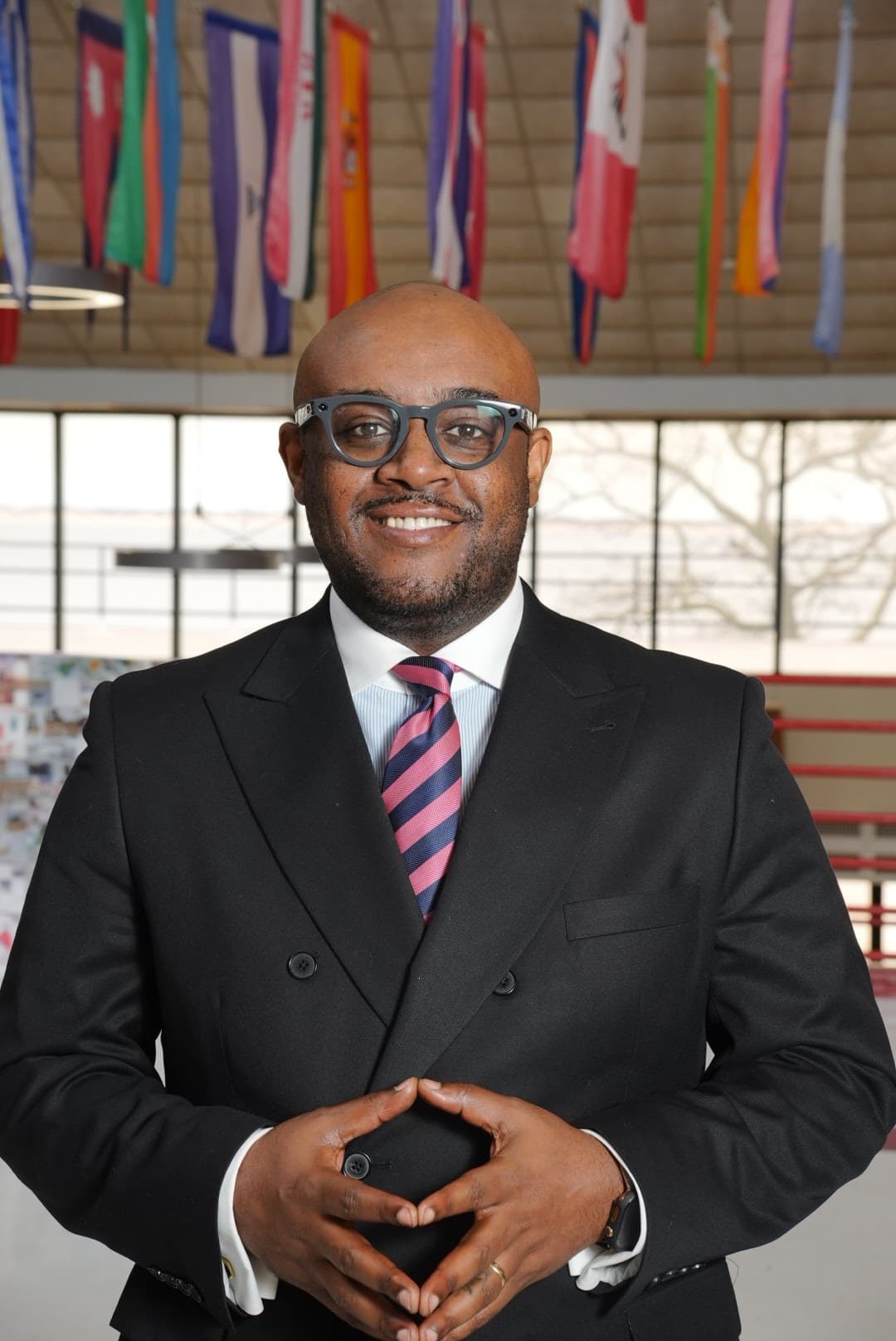
Lorenzo Daughtry-Chambers
Founder, Institute for Human Advancement
“Health, education, work, capital, technology, and community are not different departments of life. They are one fabric.”
Human advancement has always required institutions that can see the whole of a community's life and marshal the talent, knowledge, relationships, and capital to meet it.
IHA is the elevation of years of work formerly carried out as the Global Development Initiative. It is not presented as finished. It is being built in public, with partners who want to shape useful work while shaping still matters.
How we got here
The Global Development Initiative begins from a simple belief: the most important challenges facing people are connected, so the response must be connected too.
Programs and partnerships from Brooklyn to Grenada, Kenya, and South Africa show the same pattern: communities are not short on talent or resolve. They need systems built to meet the whole of life.
The work becomes the Institute for Human Advancement: a nonprofit home built to convene leaders, test practical models, generate knowledge, and keep learning across decades.
Health, technology, global collaboration, learning, and workforce work are visible today, while additional institute leadership and governance continue to form.
Mission and vision
Mission
Advance humanity through health, education, workforce development, technology, capital, community development, and global collaboration.
Vision
A world where every community has access to health, opportunity, knowledge, technology, leadership, and pathways to human flourishing.
The public record
Evidence and governance support the story. They do not replace it.
A New York 501(c)(3) with active learning platforms, program partnerships, working demonstrations, and documented field work.
IHA distinguishes nonprofit programs, community delivery, technology providers, and investment activity rather than blurring their roles.
Council rosters, governance policies, and additional financial documents will be published as they are ready.
Governance taking shape
A proposed Council of Elders would provide wisdom, ethical guidance, and long-term continuity as the institution matures.
Topical councils are being assembled to bring domain expertise and independent judgment to each institute.
The governing board holds fiduciary responsibility. IHA is expanding the public record of its board, policies, filings, and financial reporting as those materials are finalized.
This work is still shapeable.